Chimney Brick Repair

Chimney house

Chimney Brick Repair: What the Process Looks Like

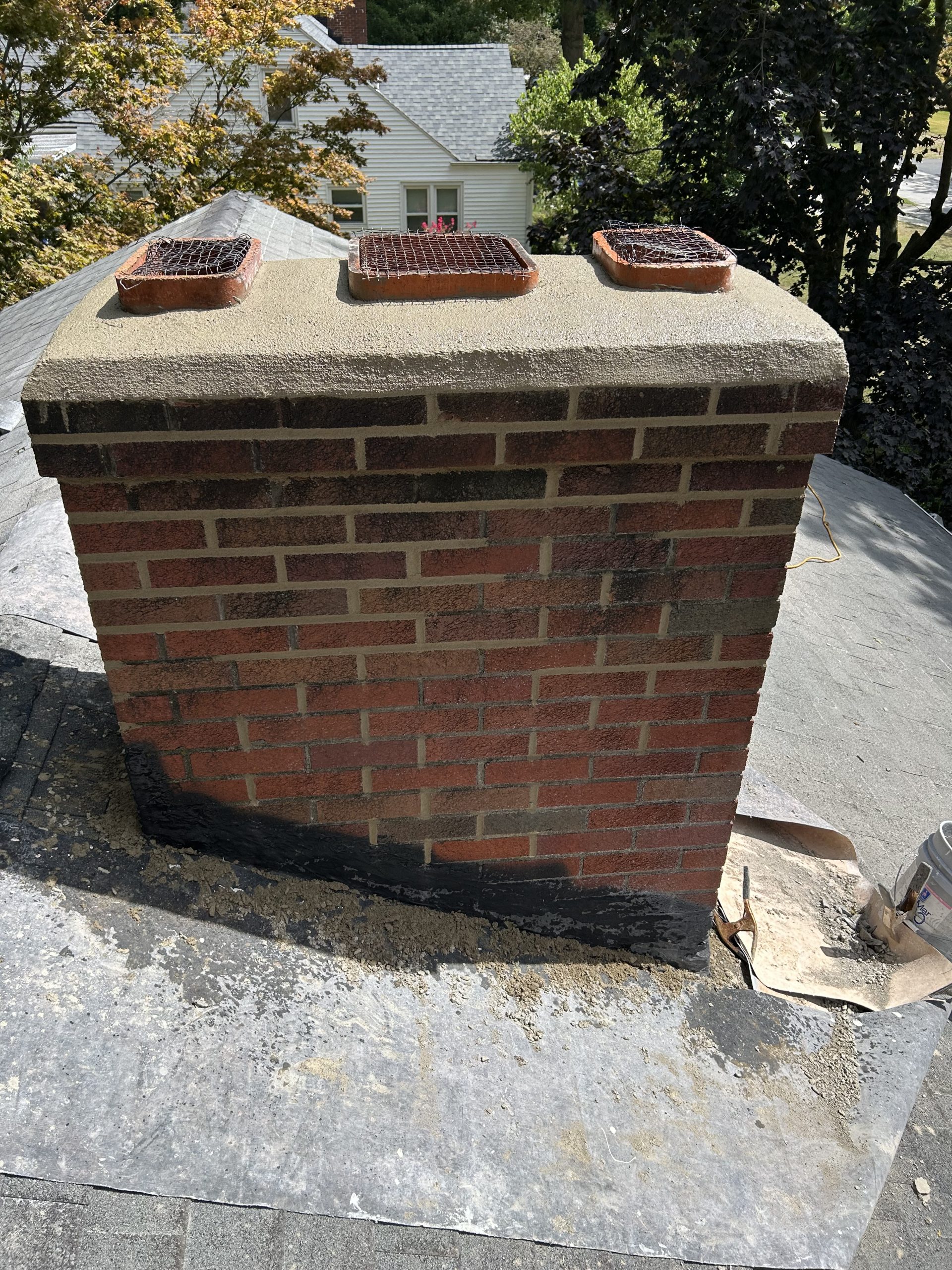
A chimney brick repair project focuses on fixing damage, restoring strength, and stopping water from entering the structure. Masonry Restoration and Caulking (MRC) handles this work with a clear step-by-step process. The goal is to keep the chimney safe, stable, and ready for long-term use.

Chimneys take on constant exposure to weather. In Toledo and Perrysburg, rain, snow, and freezing temperatures wear down brick and mortar. Over time, this leads to cracks, loose brick, and joint failure. If left untreated, the damage can spread and affect the entire structure.

The first step in any chimney repair project is a full inspection. MRC checks the brick, mortar joints, crown, and flashing. This helps identify the source of the problem. Common issues include cracked mortar, spalling brick, and water entry points.

After the inspection, the repair plan begins with mortar work. In many cases, damaged mortar joints need tuckpointing. MRC removes the loose mortar and replaces it with new material that matches the existing structure. This restores the bond between bricks and helps keep the chimney stable.

In Sylvania and Maumee, freeze and thaw cycles often cause brick faces to break down. When brick is too damaged to repair, MRC removes and replaces it. New brick is selected to match the size and color of the existing chimney. This keeps the repair consistent with the rest of the structure.

Next, MRC addresses water control. Water is the main cause of chimney damage. Sealing the chimney helps prevent future issues. This may include applying a breathable water repellent or sealing joints where different materials meet.

The chimney crown also plays an important role. The crown sits at the top of the chimney and helps direct water away. If the crown is cracked, MRC repairs or rebuilds it to ensure proper drainage.

In Holland and Monclova, many chimneys show signs of wear after winter. Early repair in spring helps prevent further damage during heavy rain. Addressing issues at this stage helps avoid larger repairs later.

The final step is a full review of the chimney. MRC checks all repaired areas to confirm proper bonding and sealing. The goal is to leave the chimney strong, sealed, and ready for long-term use.

Chimney repair is not just about appearance. It protects the structure and helps prevent water damage inside the home. Property owners in Temperance and Lambertville benefit from early repairs that stop small problems from growing.

If your chimney shows cracks, loose brick, or missing mortar, it is time to act. Masonry Restoration and Caulking provides skilled repair that restores strength and protects your home.
Commercial Basement Concrete Resto

Commercial Basement Concrete and Masonry Repair Project

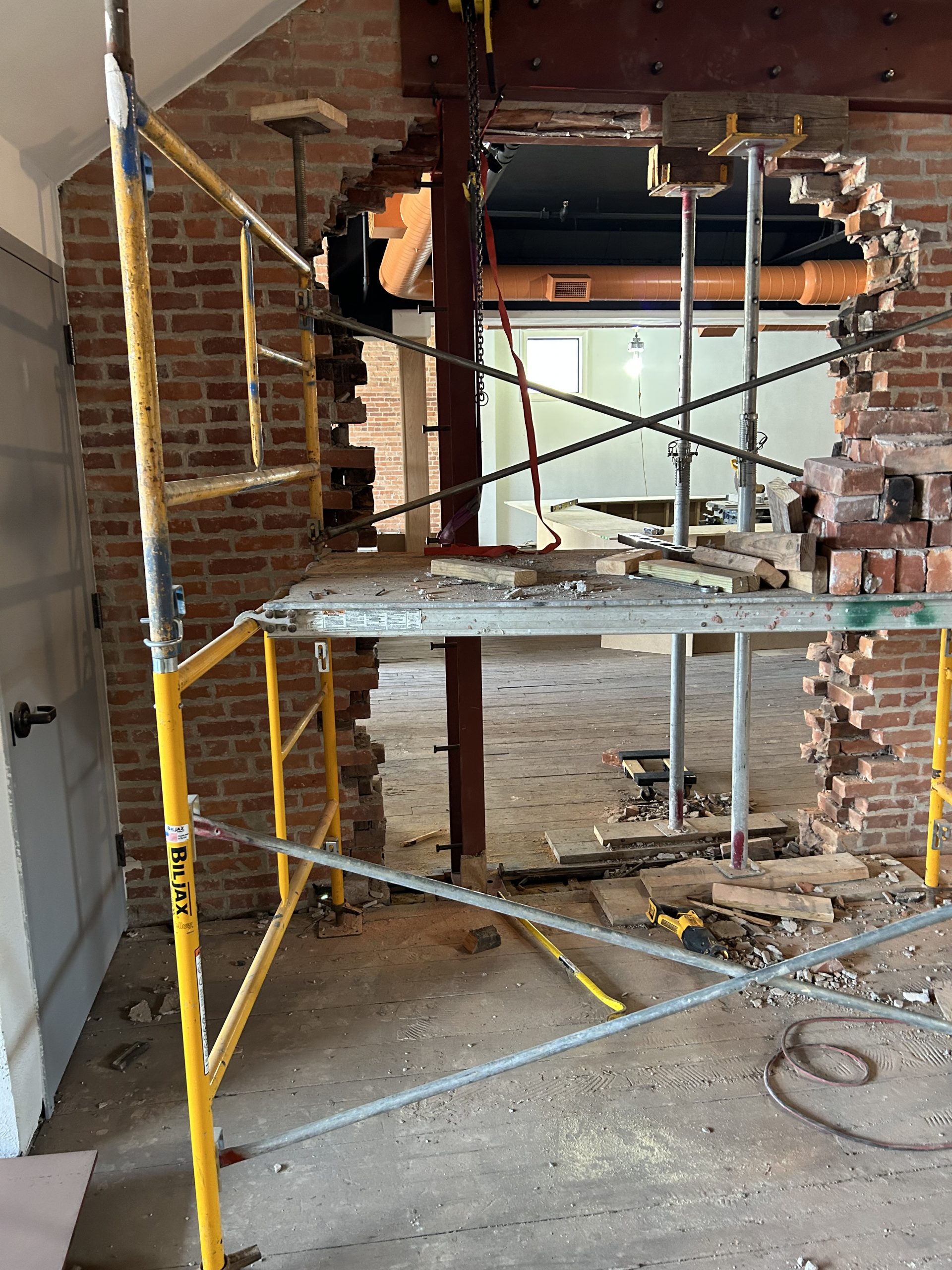
This project focused on restoring a commercial building basement that had major concrete and masonry damage. The goal was to stop water entry, repair structural issues, and return the space to safe and usable condition. Masonry Restoration and Caulking (MRC) completed the work using a clear step-by-step process.

The basement showed several signs of failure. Concrete walls had cracks and surface wear. Masonry joints had gaps and missing mortar. Water had entered the space in multiple areas. These problems are common in Toledo and Perrysburg where older buildings face years of moisture and soil pressure.

MRC began with a full inspection of the basement. The team checked all walls, joints, and floor areas. This step helped locate active leaks and identify weak points in the structure. A clear plan allowed the team to address both surface damage and the root cause.

The first phase focused on stopping water entry. MRC used crack injection to seal active leaks in the concrete walls. This process filled the cracks from the inside and created a watertight seal. The team also repaired failed joints where water could enter.

In Sylvania and Maumee, basements often face pressure from wet soil during spring and heavy rain. This pressure pushes water through weak areas. Sealing these points helps protect the building and reduce future issues.

The next phase focused on masonry repair. MRC removed damaged mortar and completed tuckpointing to restore the joints. This work helped strengthen the wall and improve its ability to resist moisture. In areas with severe damage, the team replaced brick to restore full support.

Concrete repair was also a key part of the project. MRC patched cracks, repaired surface damage, and reinforced weak sections. These repairs helped restore strength and improve the condition of the basement walls and floor.

In Holland and Monclova, older commercial buildings often require this level of repair due to long-term exposure to moisture. Proper repair helps extend the life of the structure and reduce the need for larger work later.

After repairs, MRC applied sealing methods to protect the surface. This step helps block moisture and keep the basement dry. The team made sure all treated areas were secure and finished properly.

The final step included a full inspection of the completed work. MRC confirmed that all cracks were sealed, joints were restored, and surfaces were stable. The basement was left clean, dry, and ready for use.

Property owners in Temperance and Lambertville benefit from this type of restoration work. Repairing concrete and masonry early helps prevent larger structural issues and protects the building.

This project shows how proper repair and sealing can restore a damaged basement. Masonry Restoration and Caulking provides reliable service that improves safety, stops water, and extends the life of commercial structures.

Retaining Wall Restoration Project

Retaining Wall Restoration Project

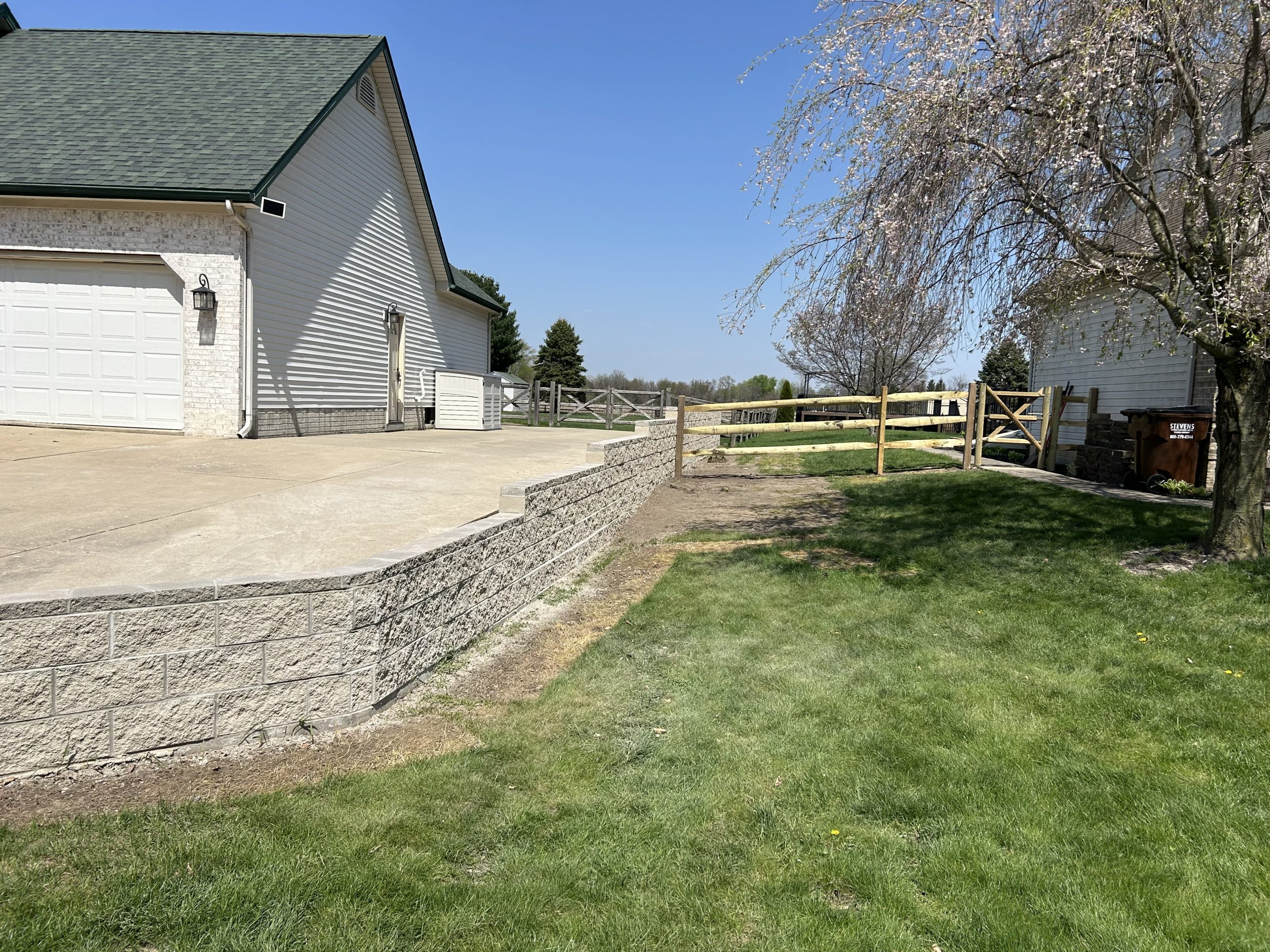
This project focused on restoring a masonry retaining wall that had shifted and shown signs of wear. The goal was to repair the structure, improve drainage, and extend the life of the wall. Masonry Restoration and Caulking (MRC) completed the work using a clear process that addressed both surface damage and underlying issues.

The retaining wall had visible cracks, loose sections, and failing mortar joints. Soil pressure had pushed parts of the wall out of alignment. Water buildup behind the wall had also increased stress on the structure. These issues are common in Toledo and Perrysburg where soil holds moisture and expands during freeze and thaw cycles.

MRC began with a full inspection of the wall and surrounding area. The team checked for movement, joint failure, and drainage problems. This step helped identify the cause of the damage and guide the repair plan.

The first phase of work involved minor excavation. MRC carefully removed soil behind and around the wall to expose the full structure. This step allowed the team to relieve pressure and access damaged areas. Excavation also made it possible to correct drainage issues that contributed to the wall failure.

In Sylvania and Maumee, retaining walls often fail due to poor drainage and soil movement. By opening the area behind the wall, MRC was able to address these problems at the source.

The next phase focused on masonry repair. MRC removed damaged brick and block and replaced them with new material that matched the existing wall. The team also completed tuckpointing by removing old mortar and installing new mortar to restore strong joints.

Resetting sections of the wall was also part of the process. MRC realigned areas that had shifted and secured them in place. This helped restore the structural integrity of the wall and prevent further movement.

Drainage improvement was a key part of the project. MRC added proper backfill and drainage material behind the wall. This helps move water away from the structure and reduces pressure over time.

In Holland and Monclova, retaining walls face heavy stress from wet soil and seasonal changes. Proper drainage and strong masonry work help these walls perform better and last longer.

After repairs were complete, MRC backfilled the excavated area and restored the surface. The team made sure the wall was stable, level, and properly supported. A final review confirmed that all joints were secure and the structure was ready for long-term use.

Property owners in Temperance and Lambertville benefit from early retaining wall repair. Addressing damage before it spreads helps avoid full replacement and protects surrounding areas.

This project shows how excavation, masonry repair, and drainage work come together to restore a retaining wall. Masonry Restoration and Caulking provides reliable service that improves strength, stability, and long-term performance.